Sun, hormones and inflammation each leave a different kind of mark. How to tell them apart — and why the right approach depends on which one you have.
Pigmentation is one of the most common concerns we see, and one of the most misunderstood. Two people can walk in with what looks like the same freckling across the cheeks and need entirely different treatment plans. The reason is simple: pigment is a symptom, not a diagnosis.
The three patterns we look for
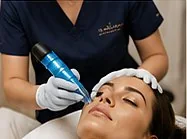
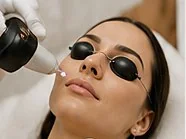
Sun-induced pigmentation — solar lentigines — tends to be well defined, sits where the sun lands, and darkens over summer. It responds predictably to resurfacing and pigment-targeted energy devices.
Melasma is hormonally driven and behaves differently. It is symmetrical, often across the forehead, upper lip and cheekbones, and it flares with heat, pregnancy and the oral contraceptive pill. Aggressive treatment can make it worse, so we work slowly, with sun protection and topical regulation first.
Post-inflammatory hyperpigmentation follows something: a breakout, a scratch, a too-strong peel. It fades on its own, but the timeline can be shortened once the underlying inflammation is settled.
Why the assessment matters more than the device
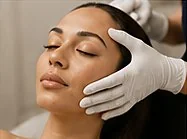
Every consultation at the clinic begins with a full skin history rather than a treatment menu. We look at when the pigment appeared, what makes it worse, and what has already been tried. That conversation determines whether your plan starts with topical therapy, a resurfacing series, or simply a better daily routine.
What consistently helps
Daily broad-spectrum SPF, worn properly and reapplied, is the single highest-value habit for every pigment type. Beyond that, tyrosinase-regulating actives, gentle barrier support, and a treatment cadence matched to your skin's tolerance do the work. Results are measured in months, not days — but they hold.